Ensuring the Mitzvah, Insuring the Customer
Maintaining an Ancient Tradition with Advanced Technology
With its unique AI mezuzah recognition algorithm, MezuSafe tracks and authenticates mezuzot throughout their entire lifecycle. It allows scanning and adding data including origin and inspection results.
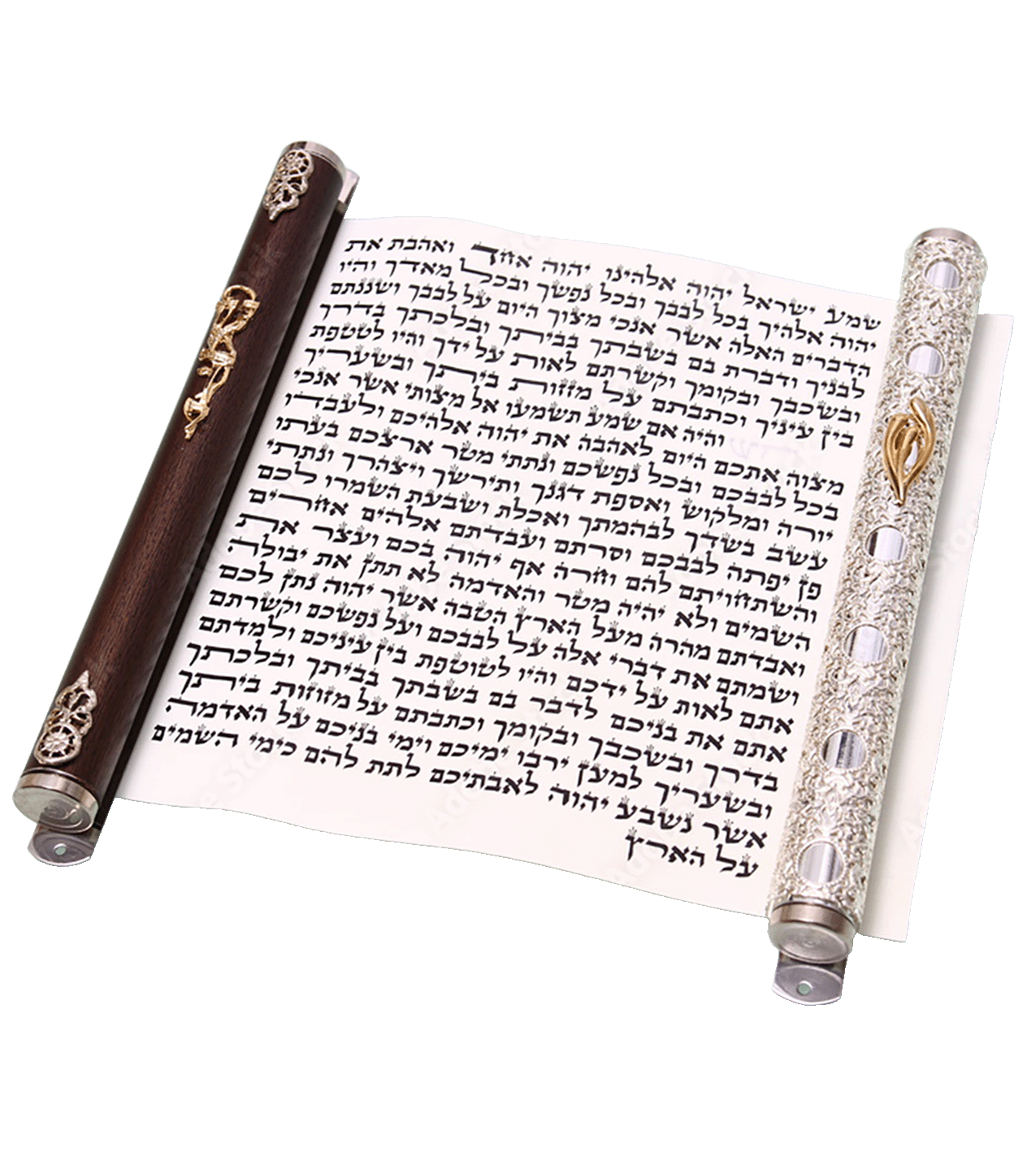

THE PROBLEM
Mezuzot are sold without records of origin or trade.
Buyers, shops, rabbis, dealers, and scribes cannot verify their authenticity. If a mezuzah is found non-kosher, responsibility cannot be traced. Lack of tracking also prevents timely buyer notifications for periodic checks. Moreover, rising prices have led to undetected fakes, causing blasphemy.
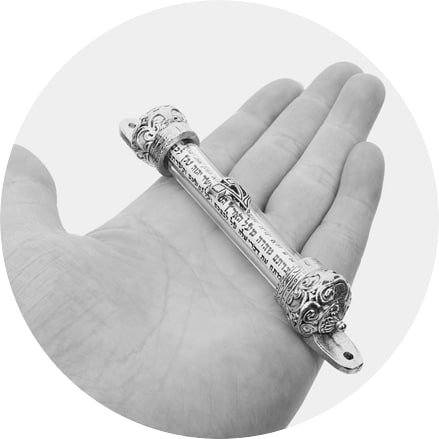
AN EXAMPLE
Jacob bought mezuzot at the community's Judaica store and the rabbi installed them in his home.
A year later, the rabbi announces the custom of inspecting mezuzot in the month of Elul and invites the community to bring their mezuzot for inspection. Jacob brings his mezuzos and learns from the expert that they are not kosher. He complains to the rabbi, but the rabbi cannot locate the source of the mezuzos or identify the responsible author.

THE SOLUTION
MezuSafe is a cutting-edge AI-powered solution that provides a simple and reliable way to trace mezuzot.
Each mezuzah is unique, as they are handwritten. With AI, MezuSafe allows users to scan a mezuzah using any smartphone or camera, identify it in the MezuSafe database, and trace its origin. Even partially erased or damaged mezuzot can be identified, ensuring full transparency and trust.
MEZUSAFE ECOSYSTEM


MezuSafe main office and agents
MezuSafe main office and agents set up and verify all entities, ensuring full verification. They conduct the first scan of mezuzot, registering key data such as the Scribe’s, Dealer’s, and date information. They are also responsible for verifying Sellers, Sofers, and Inspectors.

Sofrim and inspectors
The sofrim and inspectors are verified and approved by MezuSafe. They can add test data and corrections. If a mezuzah is found to be invalid, its origin can be traced.
Mezuzah sellers
Mezuzah sellers purchase mezuzot from scribes and bring them to MezuSafe Official Partners for initial scanning. Authorized dealers can also scan mezuzot and add limited data, such as the buyer's name.
MEZUSAFE LEADING FEATURES
Using AI to identify mezuzot
An ecosystem of transparency and trust
Registering and verifying the ecosystem
Big data analysis and reports
Periodical mezuzah inspection notification
Reports and analytics for dealers
ENTREPRENEURS

Rabbi Shlomo Bistritzky
Initiator and leader of the idea. Chief Rabbi of Hamburg Germany and Chairman of Chabad Lubavich Hamburg

Igor Jehoschua Jourist
Project technical director. Over 20 years experience as a software and hardware product publisher

Please contact MezuSafe by email at contact@mezusafe.com With an account, you can chat with the MezuSafe admin in real time.